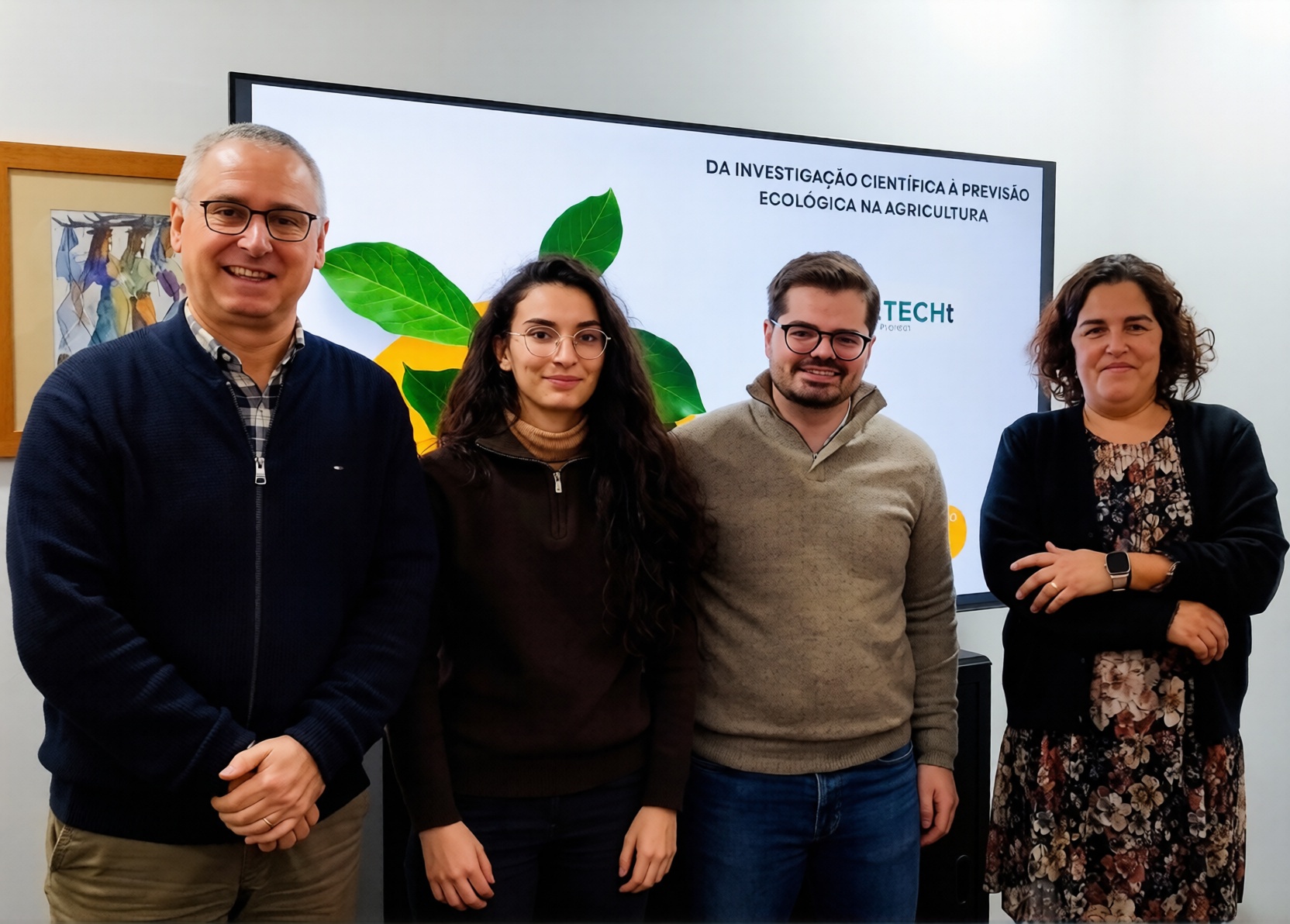
New University of Minho spin-off helps farmers anticipate risks
University of Minho
Read article
We turn complex microbiome data into actionable insightsthat support critical decisions in innovation, product,and strategy.
Choose the approach that fits your needs, from strategic support to direct microbiome analysis.
Turn microbiome complexity into clear, actionable decisions. We guide you from the right question to impact, without requiring in-house microbiome expertise.
Access our microbiome analysis platform for streamlined sample submission, processing, and results.
Understand how your products influence microbial communities and turn biological changes into actionable insights.
From microbiome analysis to strategic decisions
Microbial community characterization with direct impact on the system
Identification of fungal dynamics relevant to performance and risk
Results designed to support decision-making
Fast turnaround without compromising scientific rigor
Microbiome projects do not fail because of a lack of data, but because of generic analyses and outputs that are difficult to apply.
At PreTECHt, we transform biological complexity into clear, actionable decisions.
Every project starts with a clear objective aligned with the impact it aims to create
We turn complex results into actionable insights for technical and business teams
Clear, structured communication adapted to different decision-making profiles
We remove analytical noise and highlight only what creates real impact
Institutional recognition and presence across leading innovation ecosystems.


 Featured
From the right question to real impact, with focus on what truly matters
We define clear objectives aligned with the impact you want to generate
We focus only on the variables that have real impact in your context
We transform complex data into actionable insights
Structured results adapted to technical and business audiences
A team focused on turning science into real impact.
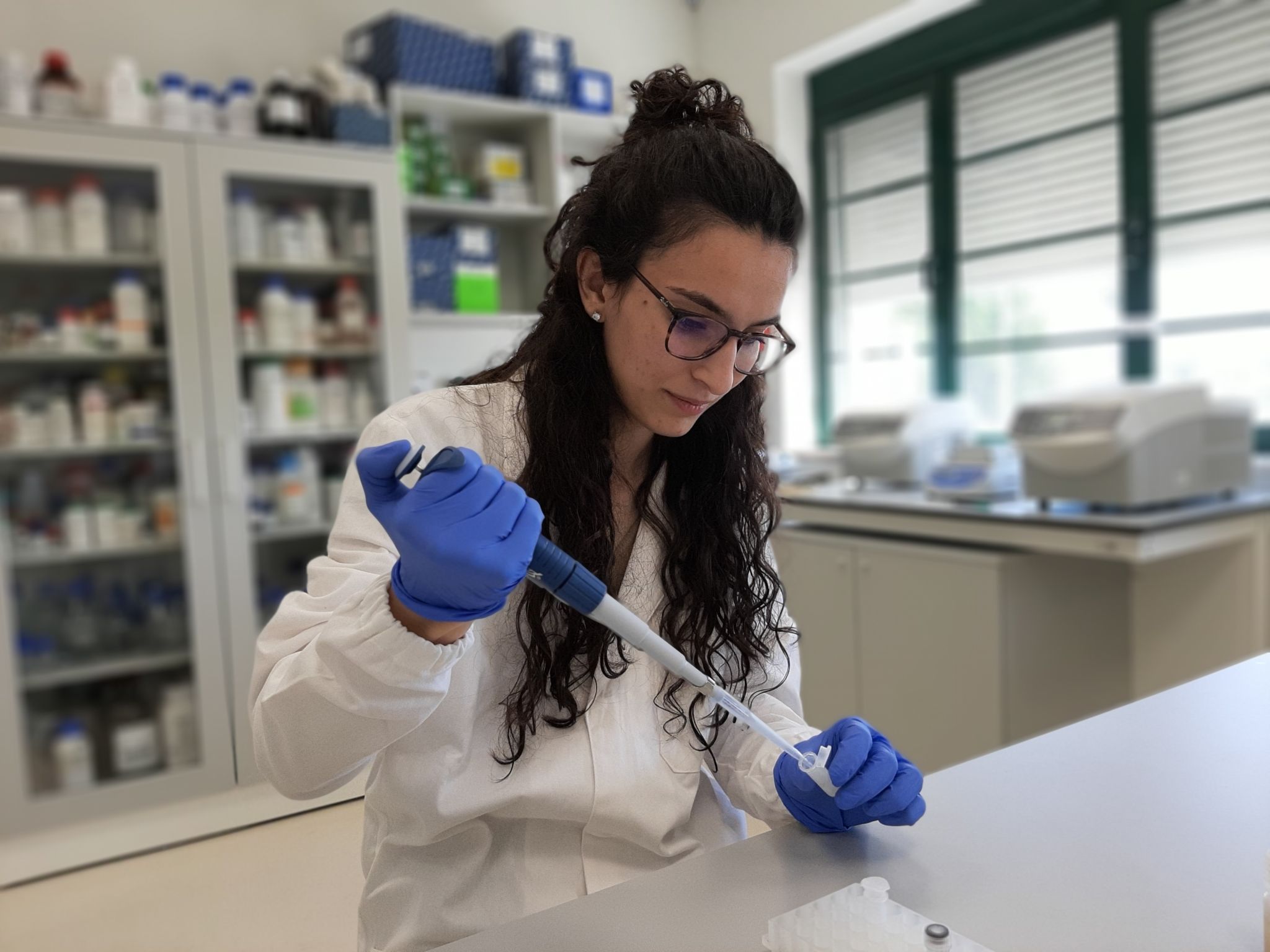
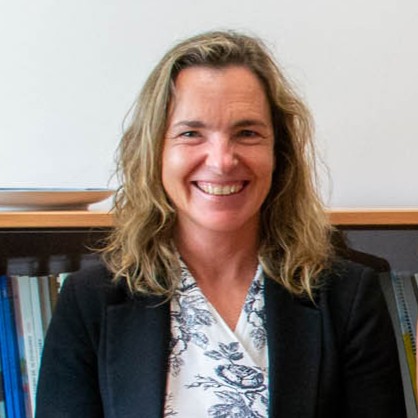
We work with teams that value applied science and informed decisions.
At PreTECHt, we do more than microbiome analysis.
We connect microbiology, bioinformatics, and strategy to turn complex data into clear, actionable decisions.
The focus is not the report. It is the impact on your business.
Because data without context does not create impact.
Clear answers for informed decisions.
We work best with teams looking for informed decisions and real impact. If the goal is simply to generate data or follow standard analyses, we are probably not the right fit. But if you need to turn complex data into clear decisions, then it makes sense to talk.
We work on projects where data has real impact, from R&D and product development to scientific validation and applied innovation. We focus above all on business contexts with clear objectives, where analysis can support concrete decisions.
We offer a complete approach, from experimental planning to bioinformatics analysis and strategic interpretation of the results. Our focus is not just on generating data, but on ensuring that data supports decisions.
Our approach is always tailored. We adapt each pipeline to the specific objectives of the project, ensuring the analysis is relevant, rigorous, and aligned with the intended impact.
Yes. We structure results so they are clear and actionable for both technical teams and business decision-makers. Communication is a central part of our work.
Ideally before sequencing, to ensure the experimental design is aligned with the objectives. Even so, we also support ongoing projects, from review and reanalysis to strategic interpretation of existing data.
Yes. We work with national and international companies and teams. We operate in Portuguese and English, ensuring clear communication across different contexts.
We begin with an initial conversation to understand your objectives and context. From there, we structure a tailored proposal, focused on the impact you want to achieve, not just the analysis itself.
Want to discuss your case?
Talk to the teamReceive a strategic assessment of your project and discover how to turn data into decisions with real impact on your business.
 view profile